



10 Key Benefits of Local SEO for Businesses in 2026
The biggest benefits of local SEO come down to one thing: you show up at the exact moment someone nearby is ready to call, book or walk in. A plumber, dentist, café or repair shop that ranks in...


The biggest benefits of local SEO come down to one thing: you show up at the exact moment someone nearby is ready to call, book or walk in. A plumber, dentist, café or repair shop that ranks in Google’s map results gets phone calls from people who already decided they want the service and only need to pick who provides it. Local search also costs far less than running ads forever, it builds a pile of reviews that keep working for you, and it gives a small shop a fair shot against national chains on its home turf. Most of the work happens inside a free Google Business Profile, so you don’t need a big budget to start. Below are the 10 benefits that matter most in 2026, what drives each one, and how to tell whether your business needs local SEO at all.
Table Of Content
- What is local SEO, and how is it different from regular SEO?
- How does Google decide which local businesses to show?
- What are the 10 key benefits of local SEO?
- 1. You appear in the Map Pack, where local buyers look first
- 2. The traffic you get is ready to act
- 3. Reviews build trust and help your ranking at the same time
- 4. It costs less than paying for every click
- 5. Small businesses can beat big brands on their own street
- 6. Your Google Business Profile works as a second homepage
- 7. Mobile and “near me” searches land on you
- 8. You get clear data on what customers do after finding you
- 9. It helps you show up in AI answers, not only on Google
- 10. Results compound over time
- Why is local SEO important for small businesses in 2026?
- How do you know if you need local SEO?
- How long does local SEO take to show results?
- What can you do this week to start getting these benefits?
- Conclusion
- Frequently Asked Questions
What is local SEO, and how is it different from regular SEO?
Local SEO is the work of getting your business to appear when people search for a product or service in a specific area. Wikipedia’s entry on local search engine optimization describes it as optimizing a business’s online presence so its pages show up when users run local searches for what it sells.
Regular SEO tries to rank a website for a topic anywhere. Local SEO adds a location layer. The searcher’s position matters, your Google Business Profile matters, and the results often appear in a map with three businesses listed underneath it (the “Map Pack”) before any normal blue links.
That changes what you work on. A national blog cares about backlinks and long articles. A local bakery cares about its business category, hours, photos, reviews and whether its address and phone number match everywhere they appear online.
How does Google decide which local businesses to show?
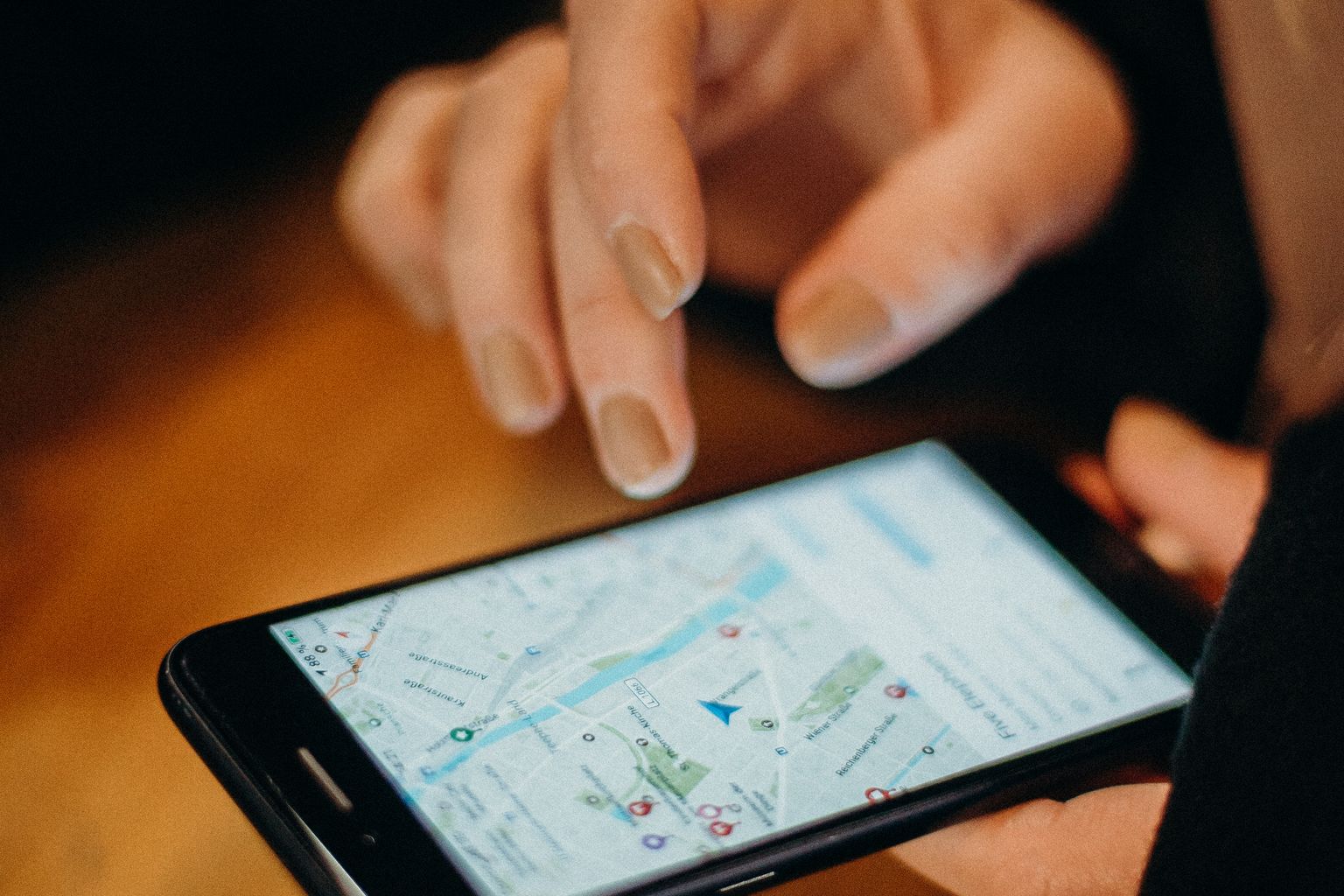
Google says it plainly in its own guide to improving your local ranking: local results are mainly based on relevance, distance and prominence (popularity). Relevance is how well your profile matches the search. Distance is how far you are from the searcher or the location in the query. Prominence is how well known your business is, which includes reviews, ratings, links and articles about you.
The same page also says there’s no way to request or pay for a better local ranking. You earn it.
Whitespark’s 2026 Local Search Ranking Factors survey, which polled 47 local search experts on 187 factors, puts these near the top for the Map Pack:
- Your primary Google Business Profile category
- Proximity of your address to the person searching
- Keywords in your business name
- Having a physical address in the city being searched
- Being open at the time of the search
- High star ratings and a steady flow of recent reviews
Notice how many of those you control from a single free profile. That’s why the return on local SEO tends to be so good.
What are the 10 key benefits of local SEO?
Here’s what local optimization does for a business, roughly in the order owners notice it.
| # | Benefit | What drives it | Quick win |
|---|---|---|---|
| 1 | Map Pack visibility | Primary category, proximity, complete profile | Pick the most specific primary category |
| 2 | Ready-to-act traffic | Call, directions and website buttons in results | Add your phone number and booking link |
| 3 | Reviews that build trust | Review count, rating and recency | Send a review link after every job |
| 4 | Lower cost than ads | Free Business Profile, steady upkeep | Update hours, photos and services monthly |
| 5 | Beat bigger brands nearby | Distance and an accurate local listing | Keep your address and map pin correct |
| 6 | Profile as a second homepage | Complete, accurate business info | Fill in every profile field |
| 7 | Mobile and near me searches | Open at time of search, accurate hours | Set holiday and special hours |
| 8 | Clear customer data | Business Profile performance report | Check calls and direction requests monthly |
| 9 | Visibility in AI answers | Consistent listings, reviews and mentions | Match your name, address and phone everywhere |
| 10 | Compounding results | Reviews, links and mentions that stay live | Ask for reviews every week, not once |
1. You appear in the Map Pack, where local buyers look first
For searches like “AC repair near me” or “best sushi in Austin,” Google usually shows a map and three business listings above the organic results. If you’re not in those three spots, a lot of searchers never scroll far enough to find you. Local SEO is the only way into that box. There’s no ad you can buy that turns into an organic Map Pack listing.
2. The traffic you get is ready to act
Someone who types “emergency locksmith” at 11 p.m. isn’t researching. They want a person at their door. Local searches carry that kind of intent far more often than broad informational searches, so a few hundred local visitors can be worth more than thousands of casual blog readers. Your listing also puts call, directions and website buttons right in the results, so people can contact you without ever loading your site.
3. Reviews build trust and help your ranking at the same time
Reviews do double duty. Google states that more reviews and positive ratings can help a business’s local ranking. And customers lean on them heavily: BrightLocal’s Local Consumer Review Survey 2026 found that 97% of consumers read reviews online, 85% say positive reviews make them more likely to use a business, and 47% won’t use a business that has fewer than 20 reviews.
That last number is worth sitting with. If you have 12 reviews and your competitor has 80, you’re losing customers before they ever compare prices.
4. It costs less than paying for every click
Google Business Profile is free to set up. Updating your hours, adding photos, answering reviews and fixing your listings on directories costs time, not ad spend. Paid search stops sending traffic the day you stop paying. A well-ranked profile keeps bringing calls month after month, which is why many owners treat local SEO as the base layer and use ads only to fill gaps (a new service, a slow season).
5. Small businesses can beat big brands on their own street
Distance is one of Google’s three local ranking signals, and a chain headquartered in another state doesn’t get extra credit for its size when someone searches two blocks from your shop. A family-run hardware store with a complete profile, accurate hours and 150 honest reviews can outrank a national retailer’s poorly maintained local listing. Local search is one of the few places in marketing where a small budget and good habits can win outright.
6. Your Google Business Profile works as a second homepage
For many people, your profile is your website. They see your photos, menu or services, hours, busy times, questions and answers, and reviews without clicking through. Keeping it complete matters: Google says businesses with complete and accurate info are more likely to show up in local results. Fresh photos and regular posts also make the listing feel alive, and a free design tool works fine for this (our breakdown of whether Canva is free covers what you get without paying).
7. Mobile and “near me” searches land on you
Local searches happen on phones, often while people are already out and moving. A mobile searcher who sees you’re open, 0.8 miles away and rated 4.7 stars can tap “Directions” and be at your door in minutes. Whitespark’s experts rank “business is open at time of search” in the top five Map Pack factors, so accurate hours (including holiday hours) directly affect whether you appear for these on-the-go searches.
8. You get clear data on what customers do after finding you
Your Business Profile performance report shows how many people called you, asked for directions, clicked to your website and found you through specific search terms. That’s harder to fake than “impressions” from a social post. If direction requests jump after you add new photos, or calls drop after you change your category, you see it and can react. Pairing that data with a CRM helps too; tools like HubSpot AI for small business marketing can track which local leads turn into paying customers.
9. It helps you show up in AI answers, not only on Google
People increasingly ask AI assistants for recommendations (“find me a vet open Sunday near Leeds”). BrightLocal’s 2026 survey notes that Google, Facebook and AI tools like ChatGPT are now the most common places consumers go for local recommendations. Those tools pull from the same public signals local SEO builds: consistent business details, reviews and mentions on trusted sites. A business with messy or missing listings is much harder for any system, human or AI, to recommend with confidence.
10. Results compound over time
Every review, every directory listing with correct details, every local news mention and every answered question adds to your prominence. None of it expires when a budget runs out. A business that spends two years building a strong local presence has an asset a new competitor can’t buy overnight, which is the main reason local SEO keeps paying off long after the initial setup work.
Why is local SEO important for small businesses in 2026?

Because the searchers are already there and the competition for local spots is usually thinner than for national keywords. A small business doesn’t need to rank across a whole country. It needs to be one of three names on a map inside a few miles. That’s a far smaller, more winnable target.
There’s also a defensive reason. If your listing has wrong hours, an old phone number or no recent reviews, customers don’t just skip you. They may show up to a closed door and leave a one-star review about it. Local SEO is partly about growth and partly about not losing the customers you would have gotten anyway.
How do you know if you need local SEO?
You need it if any of these describe your business:
- Customers visit your physical location (shops, restaurants, clinics, gyms, salons)
- You travel to customers within a set area (plumbers, cleaners, electricians, movers)
- People search for your service with a city name or “near me” attached
- Most of your revenue comes from a single city or region
You probably don’t need it if you sell only online to customers anywhere, like a SaaS product or a national e-commerce store. In that case a broader strategy fits better, and our guide to B2B SaaS marketing strategy is a better starting point than a Business Profile.
How long does local SEO take to show results?
Small fixes can show up quickly. Correcting your category, hours or phone number on your profile often takes effect within days to a few weeks once Google processes the edit. Building review volume, earning local links and climbing past established competitors usually takes several months of steady effort. In a crowded market (dentists in a big city, for example), expect it to take longer than in a small town with three competitors.
Be wary of anyone who promises a guaranteed number one spot. Google itself says you can’t pay for local rankings, so nobody can promise them.
What can you do this week to start getting these benefits?
You don’t need an agency to start. These steps cover most of the local on-page SEO basics:
- Claim and verify your Google Business Profile. Pick the most specific primary category that fits (Whitespark’s experts rank it the top factor), then add secondary ones.
- Fill in every field. Hours, holiday hours, services, service area, attributes, description and at least 10 real photos of your location, team and work.
- Make your name, address and phone number match everywhere. Your website footer, Facebook, Yelp, Apple Maps, Bing Places and industry directories should all show identical details.
- Ask happy customers for reviews. Send a direct review link by text or email right after a job. Reply to every review, good and bad, in a calm, specific way.
- Add location details to your website. Put your city and service area in your title tags, homepage and a contact page with an embedded map. If you serve several towns, give each one a real page with useful local detail, not a copy-paste template.
- Post updates on your profile. Offers, events or new work, once a week or so, keep the listing active.
Conclusion
The benefits of local SEO add up to a simple trade: a few hours of steady work in exchange for showing up when nearby customers are ready to buy. You get into the Map Pack, collect reviews that win trust, spend less than you would on ads, and compete with big brands on equal footing in your own area. The gains also stack up, because every review, accurate listing and local mention keeps working long after you add it. If you only do three things, claim your Google Business Profile and fill in every field, ask happy customers for reviews after each job, and keep your name, address, phone number and hours identical everywhere they appear. Check your profile’s performance report each month to see what’s bringing in calls.
Frequently Asked Questions
Q1:Is local SEO worth it?
Q2:What is the difference between SEO and local SEO?
Q3:How much should I pay for local SEO?
Q4:Is SEO dead now with AI?
Q5:Do I need a physical address for local SEO?




[…] SEO: both SE Ranking plans include local marketing tools, which helps if your clients depend on local SEO and map […]
[…] follow-ups, review requests, and win-back emails. Bringing new leads in is a separate job, and the benefits of local SEO include showing up when nearby clients search for a […]
[…] it suits: A single-location business tracking the benefits of local SEO for its own storefront, with no competitor data […]